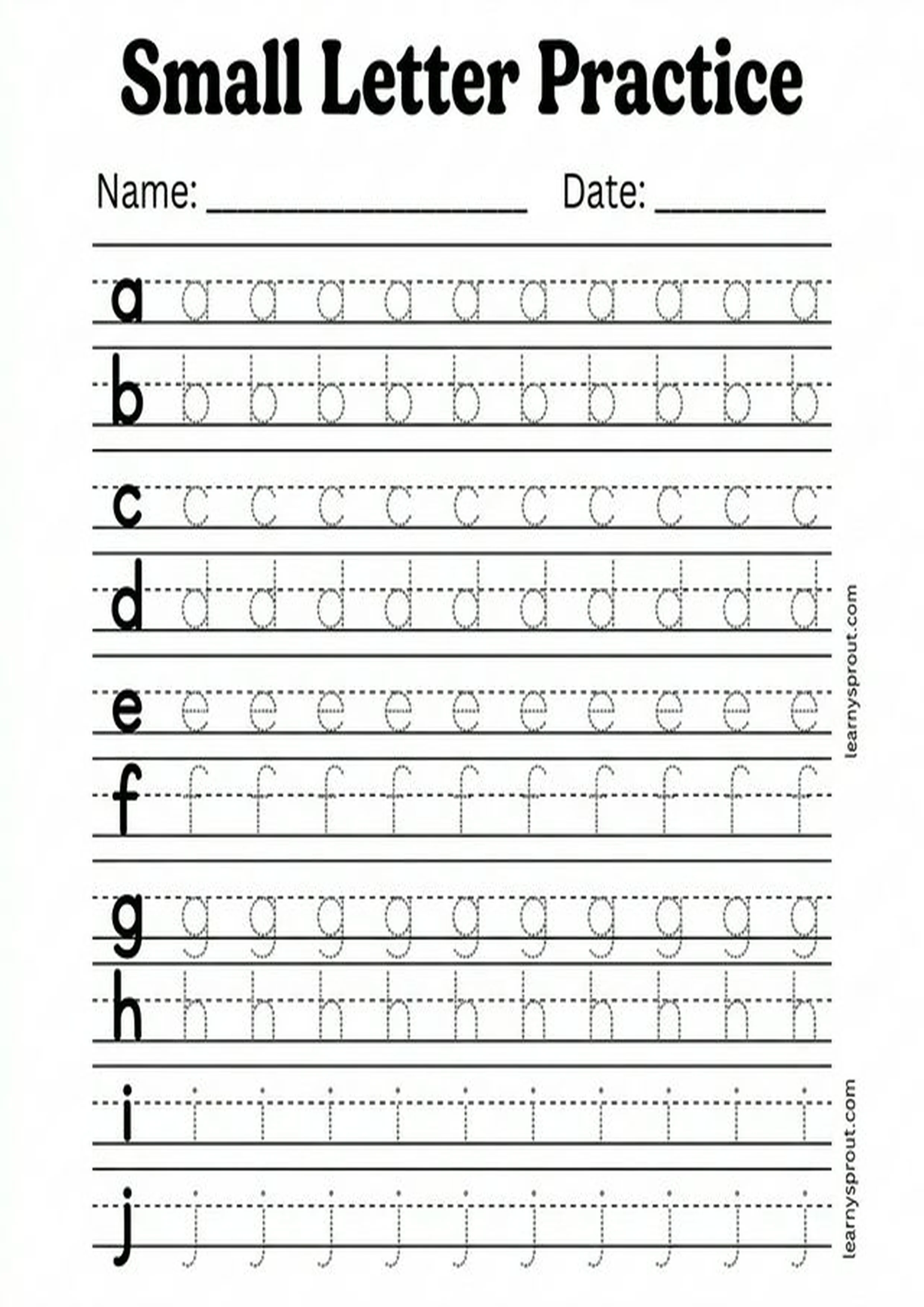
Tiny Letters, Big Achievement
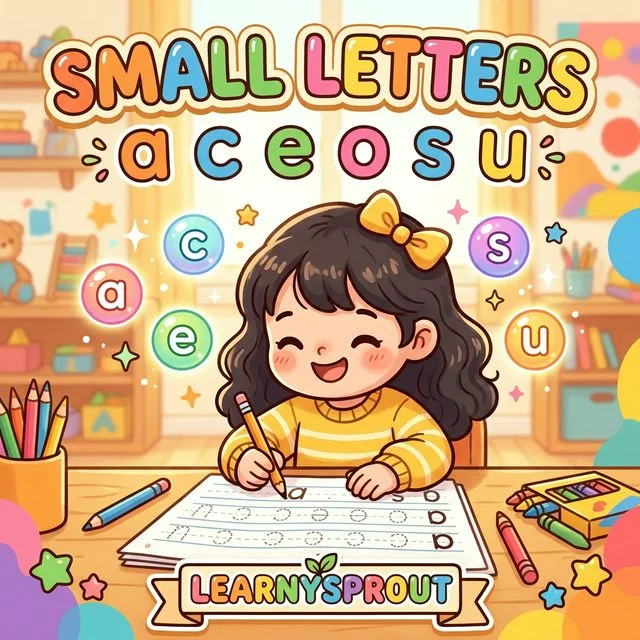
Writing small letters within defined spaces is the fine motor challenge that separates early tracers from proficient writers. This free printable fine motor worksheet gives children aged 4+ practice forming letters in progressively smaller guidelines — starting at standard size and shrinking to the scale used in primary-ruled paper. The small size demands precise finger control and careful visual attention.
Why Scaling Down Matters
Worksheets with large tracing guides help children learn letter shapes, but real writing happens at a much smaller scale. This worksheet bridges the gap between tracing and independent writing by gradually reducing letter size. Children learn to adjust their finger movements — using less arm and more fingertip control — which is the key transition in handwriting development. The progression feels natural rather than sudden, preventing the frustration of jumping straight to small lines.
Supporting the Transition to Smaller Writing
Make sure your child's pencil grip is comfortable — a tripod grip works best for small letters. If writing small feels hard, step back to regular-sized letter tracing for more practice. Our pencil control worksheets develop the precise finger movements needed for small writing. After this sheet, try our word tracing worksheets where small letters combine into readable words.
Fine-Tune Skills on LearnySprout
Explore our full fine motor and handwriting collection, from pre-writing strokes to full sentences. LearnySprout's handwriting generator lets you set custom line sizes for any practice level. Pair handwriting with alphabet flashcards and reading comprehension worksheets. Everything at LearnySprout is free!